
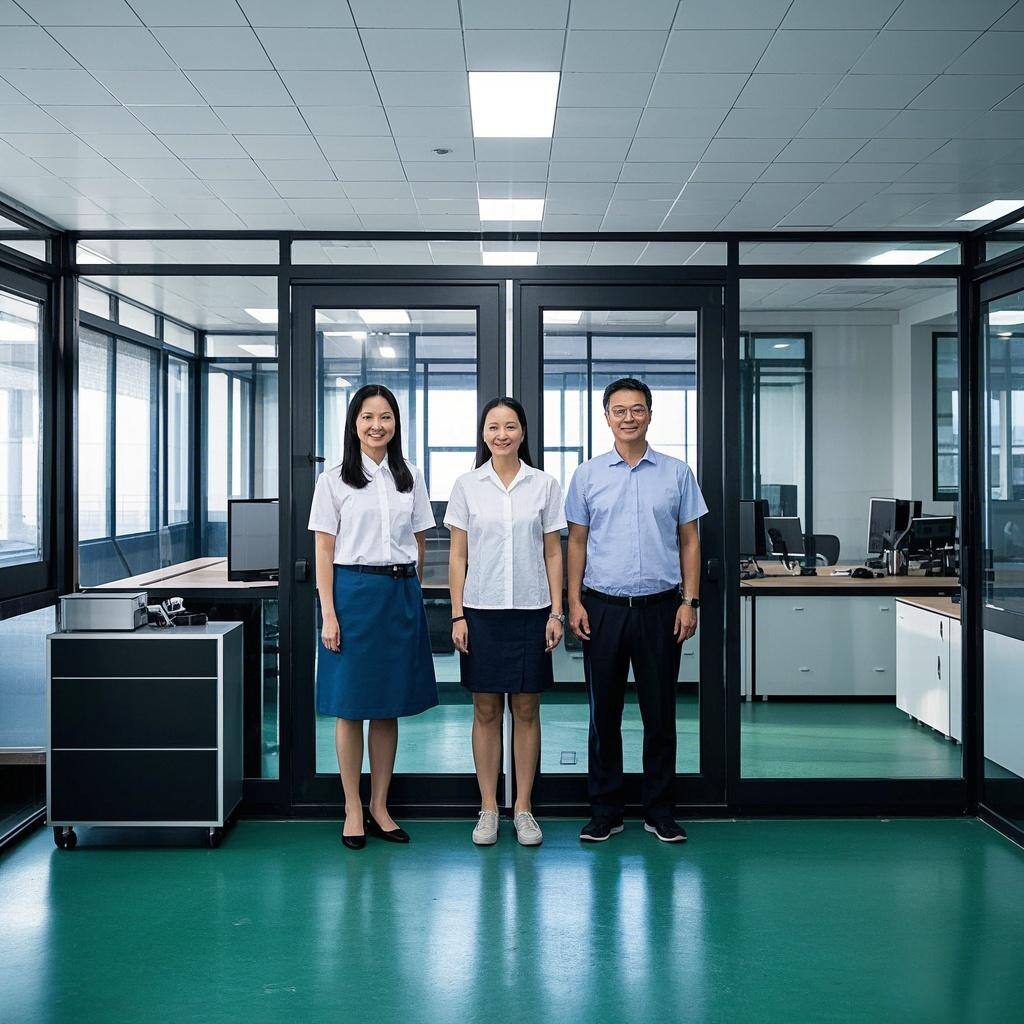
The manufacturing of doors and windows has undergone a remarkable transformation over the past several decades, driven by technological advancements, changing consumer preferences, and environmental concerns. Once considered simple structures for shelter and security, doors and windows have evolved into key elements of architectural design, energy efficiency, and home automation. From material innovations to smart technology integration, today’s doors and windows are more functional, sustainable, and aesthetically pleasing than ever before.
Material Innovations
Historically, doors and windows were primarily made of wood, with glass as the dominant material for windows. However, the 20th century saw the introduction of new materials that revolutionized the industry. Aluminum and PVC (polyvinyl chloride) became popular alternatives to wood due to their durability, low maintenance, and cost-effectiveness. These materials provided a more robust, weather-resistant option for both residential and commercial buildings.
In recent years, the trend has shifted toward more sustainable materials. Composite materials, which combine wood, PVC, and other substances, have gained popularity due to their superior strength, insulation properties, and resistance to wear and weather. Fiberglass is another material that has seen increased usage, offering excellent thermal efficiency and durability. It is particularly favored for its ability to mimic the appearance of wood while providing superior performance in terms of insulation and weather resistance.
Energy Efficiency
As environmental concerns become more pronounced, the demand for energy-efficient doors and windows has surged. Today’s consumers are more conscious of the impact of their homes on energy consumption and are seeking ways to reduce heating and cooling costs. To address this, manufacturers have developed advanced glazing technologies that improve thermal insulation. Double- and triple-glazed windows, for example, feature multiple layers of glass with insulating gas (like argon) between them, significantly reducing heat transfer and improving energy efficiency.
Low-emissivity (Low-E) coatings have also become a standard feature. These coatings reflect heat back into the room during the winter and prevent solar heat gain in the summer, ensuring a more consistent indoor temperature. These innovations contribute to lower energy bills, making homes more sustainable and comfortable throughout the year.
Smart Technology Integration
The integration of smart technology has become one of the most exciting trends in door and window manufacturing. Smart windows equipped with sensors can automatically adjust their tint based on the intensity of sunlight, helping to regulate indoor temperature and reduce reliance on air conditioning. Additionally, automated blinds and shades are now available, allowing homeowners to control natural light levels through apps or voice commands.
Smart doors are also becoming more common. Keyless entry systems, facial recognition, and biometric scanners are enhancing home security while offering greater convenience. Many modern doors now feature Wi-Fi or Bluetooth connectivity, allowing users to remotely lock or unlock doors, monitor activity, and even control doorbell cameras.
Design and Aesthetics
As design preferences evolve, so too do the aesthetics of doors and windows. Minimalist designs with clean lines and large panes of glass are increasingly in demand, particularly in contemporary architecture. Large sliding or bi-fold doors that open up to outdoor spaces are popular choices for creating seamless transitions between the indoors and outdoors.
Customizable options have also become more prevalent. Homeowners and architects can now choose from a wide variety of finishes, colors, and textures to suit their design vision. This level of personalization is facilitated by advanced manufacturing techniques like computer-aided design (CAD), which allows for precise, tailored solutions that meet specific style requirements.
Conclusion
The evolution of Fire door manufacturing has been marked by a series of innovations aimed at improving functionality, sustainability, and design. Today’s doors and windows offer a combination of energy efficiency, smart technology, and aesthetic flexibility that was unimaginable just a few decades ago. As the industry continues to innovate, the future of doors and windows will likely see even greater advancements in terms of sustainability, automation, and customization, shaping the homes and buildings of tomorrow.