
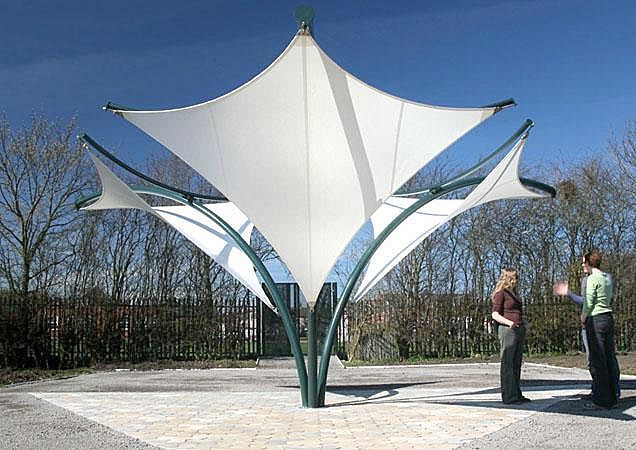
Tensile structures, known for their elegant and efficient design, are increasingly being used in architectural applications ranging from sports stadiums to exhibition halls, outdoor pavilions, and even large-scale canopies. These structures, which rely on tensioned fabric membranes or cables, offer a lightweight and aesthetically pleasing alternative to traditional solid buildings. However, the durability and resilience of مظلة محمولة in the face of harsh weather conditions are critical factors for their success. Understanding how these structures withstand various environmental challenges is essential for ensuring their long-term performance.
1. Material Selection and Durability
One of the most significant factors contributing to the weather resistance of tensile structures is the choice of materials used in their construction. The fabric membranes, often made from materials such as PVC-coated polyester, PTFE (polytetrafluoroethylene), or ETFE (ethylene tetrafluoroethylene), are specifically designed to withstand the challenges posed by weather elements. These materials are inherently resistant to UV degradation, water absorption, and mold growth, all of which are common concerns when exposed to prolonged exposure to harsh environmental conditions.
PTFE, for example, is highly resistant to UV radiation and extreme temperatures, making it suitable for regions with intense sunlight or fluctuating climates. Similarly, the PVC-coated polyester fabric is waterproof and resistant to abrasion, offering protection against rain, snow, and high winds. The advanced coatings and treatments applied to these materials ensure that tensile structures can maintain their form and function even in the most severe weather conditions.
2. Wind Resistance
Wind is one of the most significant forces that tensile structures must endure, especially in areas prone to storms or high winds. Due to their lightweight design and the tension applied to the fabric, tensile structures can naturally deflect and absorb the energy from wind loads. This makes them highly resistant to wind-related damage compared to traditional rigid structures.
The aerodynamic shape of tensile structures, often designed with a canopy-like form, allows wind to pass over and around them with minimal resistance, reducing the pressure exerted on the structure. Additionally, the tension in the fabric helps distribute the forces evenly across the entire surface, preventing localized stress concentrations that could lead to failure.
For added wind resistance, tensile structures are often designed with additional reinforcements, such as steel cables or support frames, which enhance the overall stability of the system. In regions where extreme wind conditions are common, the design of the tensile structure can be adjusted to include more substantial anchors or more robust materials to ensure the structure remains secure.
3. Snow and Rain Load Resistance
Tensile structures also need to withstand the accumulation of snow or rain, which can significantly impact their performance if not properly managed. The shape of the structure plays a key role in ensuring that water and snow do not accumulate on the membrane. A well-designed tensile structure typically has a curved or sloped surface, allowing snow and rain to naturally slide off rather than collect on the fabric.
In snowy regions, tensile membranes are often designed with steep slopes to prevent snow from building up and adding excessive weight to the structure. Additionally, the tensioned fabric is designed to stretch and flex under varying loads, ensuring that the membrane can support the weight of snow or rain without sagging or tearing.
4. Temperature Resistance
Tensile structures are designed to be resilient to temperature extremes, whether it be the freezing cold of winter or the sweltering heat of summer. Materials like PTFE and ETFE are highly resistant to thermal expansion and contraction, ensuring that the fabric maintains its strength and integrity across a wide range of temperatures.
In colder climates, the structure’s materials are treated to prevent the freezing of water on the membrane’s surface, which could cause damage. In hot climates, the materials reflect UV rays and dissipate heat, ensuring that the tensile structure remains cool and does not degrade due to thermal stress.
5. Long-Term Maintenance
The long-term weather resistance of tensile structures is also supported by regular maintenance, including cleaning, inspections, and any necessary repairs. As these structures are exposed to harsh conditions over time, keeping the membranes clean and free of debris helps maintain their performance. Some materials are self-cleaning, while others require periodic washing to remove dirt and prevent the buildup of contaminants that could degrade the fabric.
Conclusion
Tensile structures are designed with a focus on both aesthetics and functionality, and their ability to withstand harsh weather conditions is a testament to their innovative design and material science. By utilizing durable, weather-resistant materials, aerodynamic shapes, and precise engineering, these structures offer a safe, stable, and reliable solution for a variety of environments. With the proper design and maintenance, tensile structures can continue to thrive under extreme conditions, providing an attractive and practical solution for modern architecture.