
Water is one of the world’s most essential resources, but as global populations increase and environmental challenges mount, freshwater supplies are becoming increasingly strained. To ensure a sustainable future, water conservation has become a critical priority, and one of the most effective methods to address this issue is through recycling water, particularly by treating wastewater. Wastewater treatment plays a crucial role in reducing the demand for freshwater, enhancing water sustainability, and ensuring that our water resources are used more efficiently.
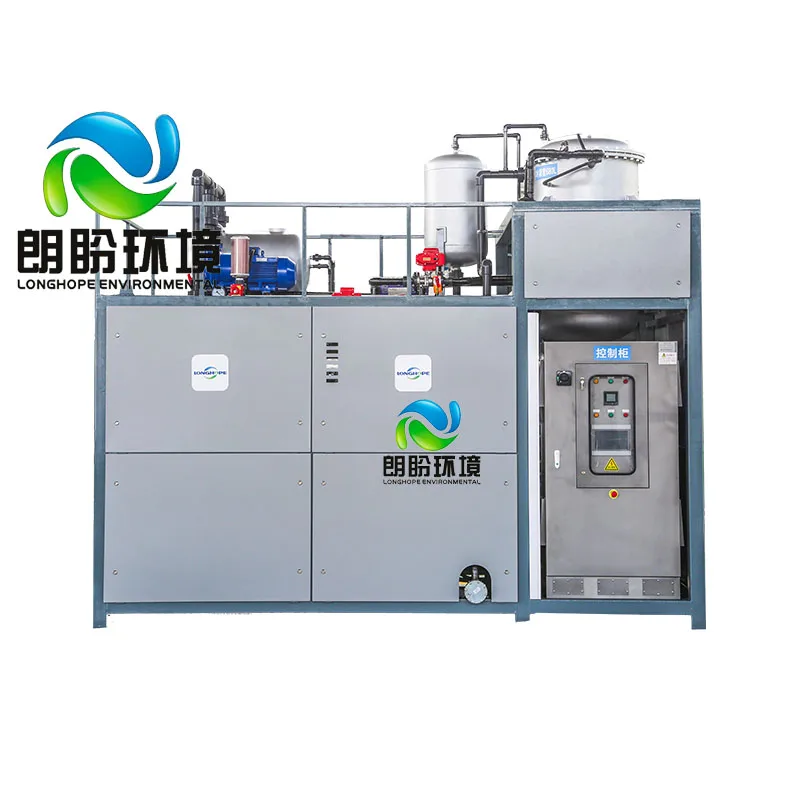
Wastewater refers to any water that has been contaminated by human use, including water from homes, industries, and commercial activities. This water typically contains pollutants such as chemicals, bacteria, and organic matter. While the idea of reusing water may seem unconventional, advances in Low temperature vacuum evaporation machine have made it a viable solution for conserving water. Wastewater treatment processes remove these contaminants, making the water suitable for reuse in various applications, including irrigation, industrial processes, and even drinking water in some advanced systems.
One of the key benefits of wastewater treatment is its ability to reduce the demand for fresh water, which is often drawn from rivers, lakes, and underground aquifers. By recycling wastewater, communities and industries can significantly lessen their dependence on these natural water sources, thus reducing the strain on freshwater ecosystems. This is especially crucial in arid regions or places where water resources are limited or where droughts are frequent. For example, cities like Singapore and Israel have adopted advanced wastewater treatment technologies to recycle water for non-potable and even potable uses, ensuring a more sustainable water supply.
The wastewater treatment process typically involves several stages to clean and purify water. The first step is physical treatment, which involves removing large debris and solids from the water. Next, biological treatment occurs, where microorganisms break down organic pollutants, turning them into less harmful substances. Finally, chemical treatment may be employed to remove any remaining contaminants, ensuring the water meets safety and quality standards. The end result is water that can be safely reused for various purposes, depending on the level of treatment it undergoes.
Recycled water can be used for a wide range of applications, thus significantly conserving fresh water. In agriculture, treated wastewater is an excellent option for irrigation, especially in areas where water scarcity is an issue. It is also used for industrial processes such as cooling systems in power plants or in manufacturing facilities, where large amounts of water are needed but not necessarily in its purest form. Additionally, treated wastewater is often used for landscape irrigation, washing cars, and even in some cases, in public parks and golf courses.
On a larger scale, wastewater recycling also contributes to reducing energy consumption. The treatment process often uses less energy than desalinating seawater or transporting freshwater over long distances, making it a more energy-efficient solution. Additionally, the reuse of water reduces the need for constructing new reservoirs or dams, which can have significant environmental and financial costs.
In conclusion, wastewater treatment plays a vital role in water conservation by recycling water for various uses. This practice helps conserve precious freshwater resources, reduce environmental impact, and provide a sustainable solution to water scarcity issues. As technologies continue to improve, wastewater treatment systems will play an even more critical role in ensuring that water remains available for generations to come, helping to create a more water-efficient world.