
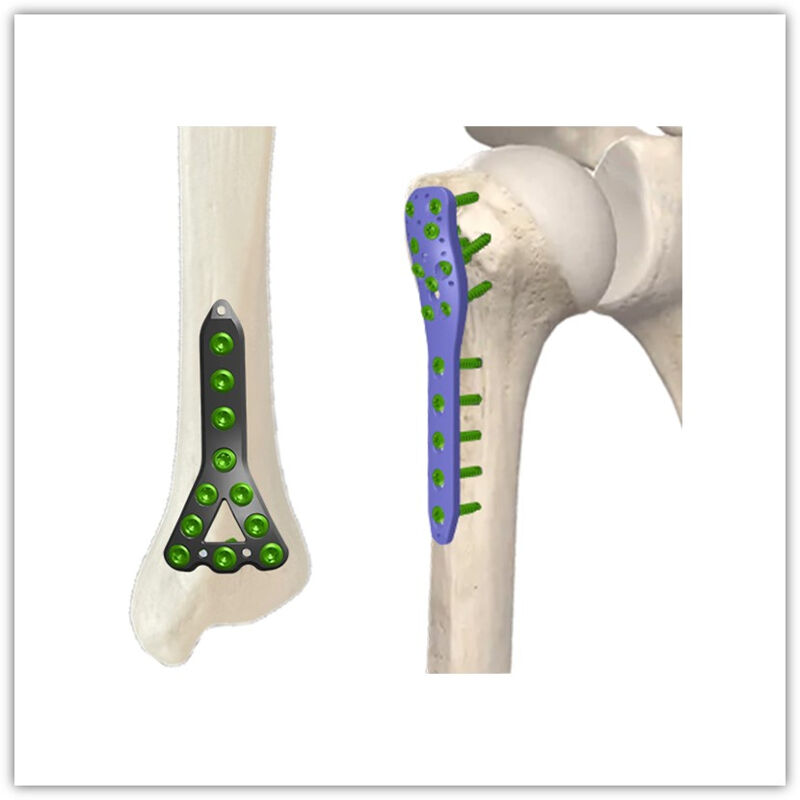
Pediatric orthopedic surgery has undergone transformative advancements in recent years, driven by technological innovation, improved surgical techniques, and a growing emphasis on individualized care. These developments have significantly enhanced both the safety and efficacy of surgical procedures in children, leading to improved outcomes and quality of life for young patients with musculoskeletal disorders.
One of the most groundbreaking innovations in pediatric orthopedic surgery is the application of 3D printing technology. This technology enables surgeons to create patient-specific anatomical models that aid in preoperative planning and intraoperative guidance. For complex deformities or rare congenital conditions, 3D-printed guides and implants have allowed for more precise corrections and reduced operative times. Additionally, the ability to simulate procedures on custom models has improved surgical accuracy and minimized complications.
Minimally invasive surgery (MIS) has also gained prominence in the pediatric field. Arthroscopy and percutaneous techniques are now routinely used for conditions like juvenile osteochondritis dissecans, slipped capital femoral epiphysis, and certain spinal deformities. These procedures offer the advantages of smaller incisions, reduced pain, faster recovery, and minimal scarring—important considerations for pediatric patients and their families. Robotic-assisted surgery is emerging as a complementary advancement, offering enhanced dexterity and precision in delicate procedures.
Growth modulation techniques represent another important innovation. Traditionally, limb length discrepancies and angular deformities required invasive corrective surgeries. Today, guided growth methods, such as the use of tension band plating, allow for gradual correction by harnessing the child’s natural growth processes. This less invasive approach reduces the need for repeated surgeries and promotes better functional outcomes.
In spinal surgery, the development of magnetically controlled growing rods (MCGR) has revolutionized treatment for early-onset scoliosis. These rods can be lengthened non-invasively in a clinical setting using an external magnetic controller, eliminating the need for multiple surgeries to adjust the hardware as the child grows. This innovation has drastically reduced hospitalizations and the risks associated with repeated anesthesia.
Improvements in imaging and diagnostic tools have also played a critical role. Advanced MRI techniques and EOS imaging, which provides low-dose, full-body scans, allow for better diagnosis and monitoring of orthopedic conditions while minimizing radiation exposure. These tools support earlier intervention and more accurate surgical planning.
In terms of outcomes, studies consistently show that these technological and procedural innovations are contributing to better functional results, reduced complication rates, and higher patient satisfaction. Rehabilitation protocols have also evolved to become more patient-centered, focusing on early mobilization and personalized physical therapy regimens to optimize recovery.
As pediatric Locking Plate System surgery continues to evolve, the integration of artificial intelligence and machine learning holds promise for further improvements in diagnosis, surgical planning, and predictive analytics. These advances are setting the stage for a future where surgery is safer, more precise, and tailored to each child’s unique anatomy and growth potential.
In summary, innovations in pediatric orthopedic surgery are dramatically reshaping the field. From 3D printing to growth modulation and robotic assistance, these advancements are not only improving surgical outcomes but also transforming the overall experience for young patients and their families. The continued evolution of these technologies heralds a brighter, more hopeful future for children with orthopedic conditions.